29/05/2023
WAAPA Diploma of Music Semester one
Introduction
As the semester draws to a close, I’m pleased with the progress I’ve made. I successfully completed two projects: one is Radiohead project, another one is sound object.
The Radiohead project took me more than three months to develop a song from scratch. It all started with the challenge of selecting the perfect drum track from the vast options available. Determined to find the right fit, I experimented with different drum tracks, exploring their unique rhythms and tones.
From choose drum track to make chord progression to add instruments in, I found it was a difficult when you craft songs with no planning, especially I tend to make song without any planning, my mind follows my hands. The progress is follow the path like this:
| Choose Drum Track |
| Make chord progression and melody suit the drum track |
| Add Instruments that I think sounds good with the the song |
| Mixing and Mastering |
| The picture of the song comes out |
After completing the Radiohead project, I reflected on my creative process and realized the importance of having a solid plan in place. With a more structured approach, I believe the quality of my songs can be elevated, and the overall production process can be more efficient. Here is an optimized song-making progress that I have devised:
| Choose genre and concept(means the moods and feelings you want) |
| Define elements of that genre and concept (tone, sounds, instruments, rhythms, scales…etc.) |
| Find examples and learn from those examples |
| Start making the base of the song (By following the elements I have decided) |
| Fill-in different sounds and instruments, mixing and mastering |
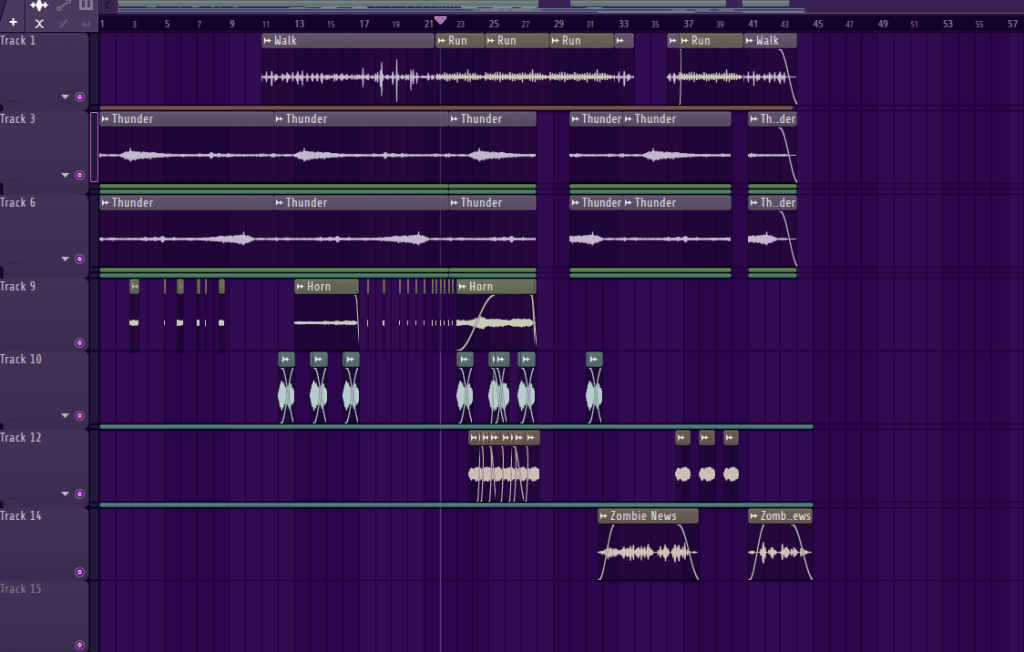
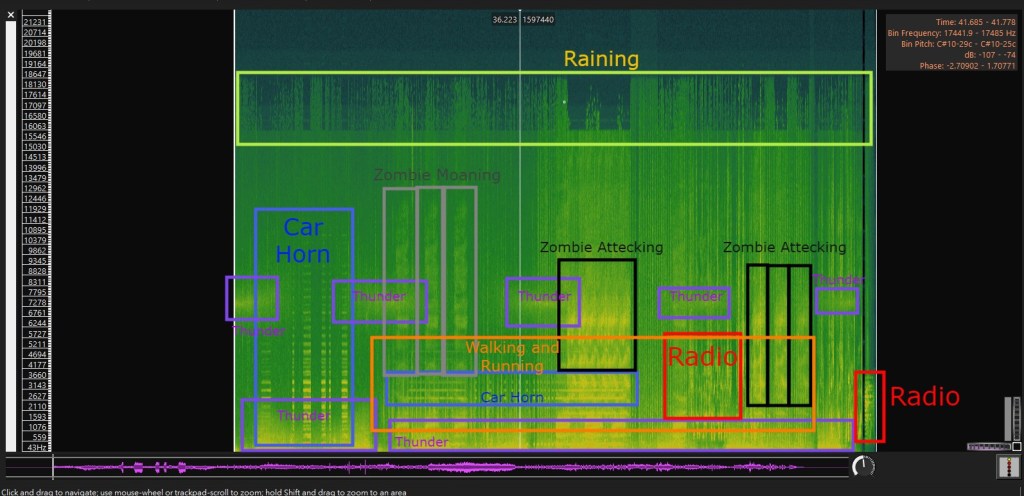
The sound object track was a week-long endeavor that allowed me to explore the endless possibilities of sound. It was an enjoyable experience, although I believe I could have pushed the boundaries further by experimenting with even more diverse sonic elements. This project sparked a thought-provoking question: should the sound objects create a story, or should a story incorporate these sound objects?
Lately, I’ve developed a keen interest in jazz, neo-soul, and city pop, with a particular fascination for city pop’s unique vibe. Whenever I indulge in this genre, I find myself transported to a nocturnal cityscape, cruising through the streets with towering buildings as my backdrop. Although I don’t have a specific favourite song, I enjoy exploring various playlists on YouTube, and I stumbled upon this captivating playlist among my musical discoveries:
In my upcoming projects, I’m eager to explore vocals and experiment with incorporating them into my songs. I recently acquired a recording microphone, so I thought, why not give it a try?
Scores
Radiohead Project
Sound Object
Recording
Radiohead Project live performance:
For the original version please go HERE.
Sonic Diary
Memories” began as an instrumental soul music track, evoking a similar feelings as “The After Hour – I wanna cry.“
However, I felt the need to make the song more interesting. I had two options in mind: adding vocals or introducing more instruments. Instead of going with vocals, I chose to gradually bring in additional instruments to add variety and make the song more vibrant. This allowed me to explore different sounds and create a richer musical experience. By taking this approach, I aimed to deepen the overall complexity and appeal of “Memories.”
Incorporating horns, alto saxophone, vibraphone, and strings completely transformed the song. It departed from its original soul style and took on a captivating jazz essence. Yet, it doesn’t neatly fit into the jazz category due to its major key and 3/4 waltz rhythm. Determining the right label for this song has been quite a journey, but I’ve settled on a befitting title: “Major-Key Jazz Waltz.” This captures the essence of the song, with its 3/4 time signature, uplifting major key, and unmistakable jazz influence.
For the question of existence of the song, I haven’t really think about it, it is because I create this song by following my instinct, so the song is naturally comes out at that moment, at that mood, at my home.
About “Memories”
In my work it captures the nostalgic essence of the past, while acknowledging the changes that have occurred over time. However, amidst these changes, the power of cherished memories remains constant, evoking smiles and serving as the central message conveyed in the chorus. That’s why I called it “Memories”.
The song has a structure like AABCAB, meaning it has different sections. It starts by introducing the theme of memories. As the song goes on, more instruments are added section by section, making the music more interesting and dynamic.
When we reach the final chorus, something special happens. All the instruments, including the newly added strings, come together, creating a powerful and uplifting moment. The entire song maintains a major tonality, giving a sense of positivity and brightness throughout.
Challenges
In its initial form, the song lasted around five minutes, following a structure of AABCAABDB. However, when I presented this version to others, the feedback I received was disheartening – “the song is too boring.” It became evident that the repetition of a particular section for almost 4/5 of the song’s duration was causing listener disinterest. As mentioned earlier, I made the decision to tackle this issue by introducing additional instruments to enhance the song’s complexity.
Although the changes have brought improvements, there are still areas that require attention. Notably, the piano arrangement is lacking, and I recognize the need to expand my knowledge of arranging to address this limitation. Exploring new melodies and techniques will allow me to broaden my understanding and bring further depth to the song’s arrangement.
“Why did you make one choice rather than another”
It is simply because I have a stronger attachment and resonance with this choice.
 Benson Cheung